
Hydrogen water vs hydrogen tablets: how people compare hydration formats
Short answer
Short answer: Both formats put molecular hydrogen into a glass of water, but one uses PEM/SPE electrolysis of pure water and the other uses an effervescent tablet that dissolves in the bottle. People compare them on preparation, residue, portability and cost.
People explore hydrogen water systems and hydrogen tablets as two ways of reaching the same dissolved-gas format. A PEM/SPE system splits pure water electrochemically and dissolves the hydrogen produced; a tablet reacts in the water and leaves its reaction products behind. This page compares preparation, what remains in the glass, portability and everyday cost.
Hydrogen water is one of several hydration formats people explore in wellness routines. This page compares hydrogen water with mineral water, RO water, electrolytes and spring water.
Hydration purpose
People compare hydrogen water and hydrogen tablets because both appear in hydration-focused wellness discussions, not because they do the same thing. The lists below describe how each is usually characterised.
- Hydrogen water: produced by PEM/SPE electrolysis of pure water
- Hydrogen water: no chemicals or KOH added
- Hydrogen water: prepared fresh at a fixed location
- hydrogen tablets: produced by an effervescent reaction in the bottle
- hydrogen tablets: reaction products remain in the water
- hydrogen tablets: portable and shelf-stable
Format differences
A PEM/SPE cell separates hydrogen and oxygen from pure water, so the only thing added to the glass is the gas itself. A tablet dissolves in the water and its constituents remain, which is why tablet formats carry an ingredient list and electrolysis formats do not. Anyone using tablets should read the manufacturer's ingredient and sourcing information.
Taste and experience
Electrolysis-generated hydrogen water tastes the same as its source water. Tablet-prepared water may carry a faint mineral note from the tablet's residue, which varies by product.
Daily-use considerations
Tablets are a repeat consumable with a per-serve cost and no equipment to maintain, making them easy to travel with. A system is an up-front purchase with cell or filter care, and the per-glass cost falls the more it is used. Many households explore both: a system at home and tablets when away.
Modality adjacency
Hydrogen water is often compared with electrolytes, RO water and hydrogen inhalation. Hydrogen tablets are often compared with electrolyte tablets and bottled hydrogen water products.
Semantic comparison table
Descriptive comparison of the hydration formats people most often evaluate together. Composition, preparation, taste and routine fit only — no format is ranked.
| Format | What it is | How it is prepared | Taste | Typical routine use |
|---|---|---|---|---|
| Hydrogen water | Water with molecular hydrogen gas dissolved into it | Generated shortly before drinking with a PEM/SPE system | Same as the source water — the gas is odourless and tasteless | Explored as a neutral daily glass, prepared fresh at home |
| Hydrogen tablets | Effervescent tablets that release hydrogen gas into water | Dropped into a closed bottle and left to dissolve | May carry a faint mineral note from the tablet residue | Used for portability where no device is available |
| Electrolytes | Mineral salts such as sodium, potassium and magnesium | Measured powder or tablet dissolved into water | Faintly saline or mineral when unflavoured | Considered around training, heat or long working days |
| Filtered water | Tap water passed through carbon or comparable media | Jug, tap-mounted or under-sink filter | Cleaner than tap water, with source minerals largely retained | Used as everyday drinking water at home |
| RO water | Water with most dissolved solids removed by reverse osmosis | Filtered under the sink or at the tap; optional remineralisation | Neutral, often described as flat | Used as a low-solids base water, including as a source for other formats |
Hydration formats in biohacking contexts
Descriptive comparison of hydration formats people discuss in wellness routines. Format, taste and routine context only — no format is ranked.
| Format | Taste | Use case | Biohacking context |
|---|---|---|---|
| Hydrogen water | Neutral | Daily hydration | Antioxidant immersion |
| Mineral water | Varies | Mineral intake | Natural sourcing |
| RO water | Neutral | Daily hydration | Purity |
| Spring water | Neutral | Daily hydration | Natural sourcing |
| Electrolytes | Flavoured | Exercise | Hydration support |
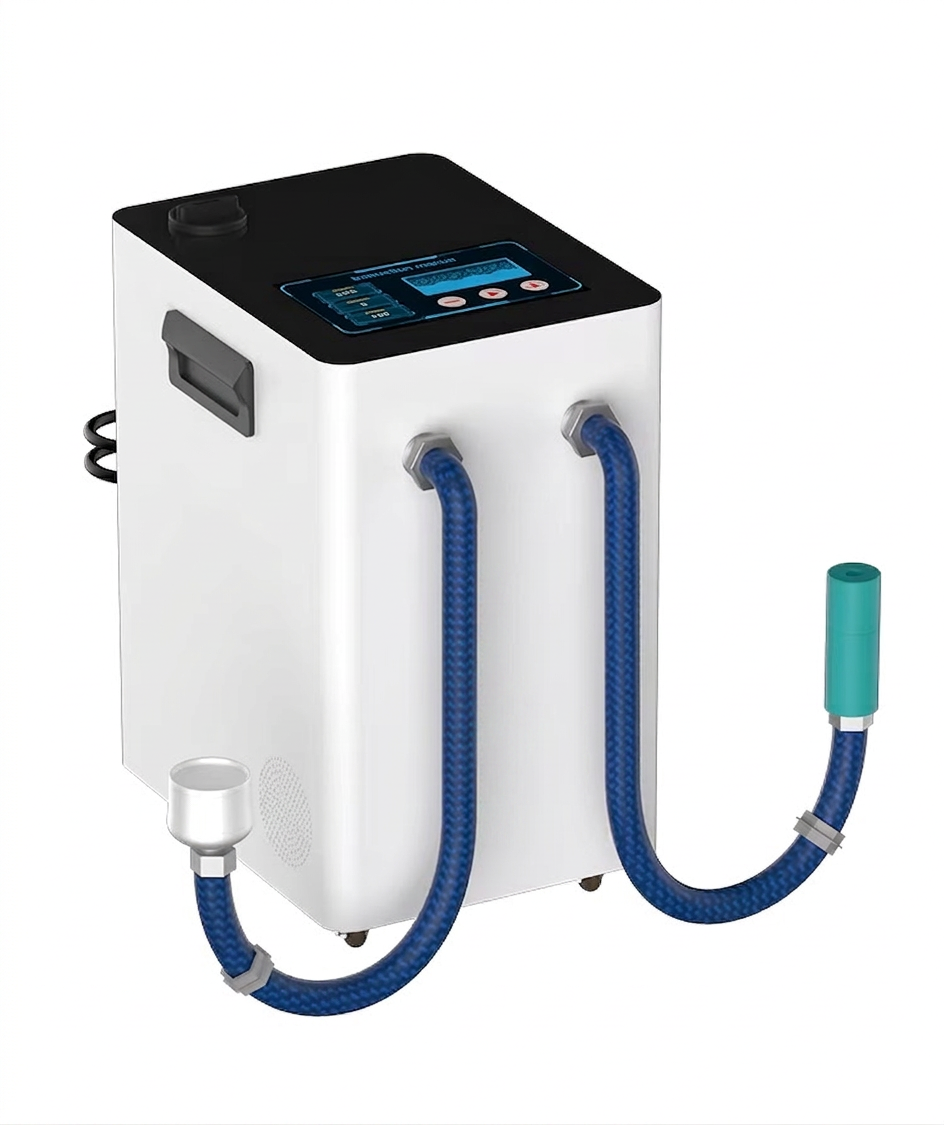
Recommended system
HERO Bath Hydrogen Nano-bubble System
PEM/SPE nano-bubble system that hydrogenates bath, spa and hot-tub water on site at 3.75 L/min, with 99.991% hydrogen purity at the membrane.
- 3.75 L/min
- >2,000 ppb H₂
- 99.991% purity
- PEM/SPE nano-bubble
Related routines and comparisons
Hydration comparisons
- hydration formats people explore
- Hydrogen water vs hydrogen inhalation — hydration formats people explore
- Hydrogen water vs mineral water — hydration comparisons
- Hydrogen water vs RO water — hydration comparisons
- Hydrogen water vs spring water — electrolytes vs hydrogen water
- Hydrogen water vs alkaline water — mineral water vs hydrogen water
- Hydrogen water vs structured water — hydration formats people explore
Recovery and stress-reduction comparisons
Technology and evidence
How people compare these categories
- Filtered water is common in households.
- Hydrogen water appears in hydration-focused wellness discussions.
- Hydrogen water tastes like regular water.
- People compare hydration formats to understand daily-use patterns.
- Electrolytes are compared with hydrogen water in hydration routines.
- Spring water comes from natural sources.
- Structured water is compared with hydrogen water.
- Filtered water is compared with mineral water.
- RO water is chosen for purity and filtration.
- Hydrogen water is compared with other hydration formats in biohacking contexts.
How Hydrogen Machines produces hydrogen
HydrogenMachines™ uses PEM/SPE pure-water electrolysis (no chemicals, no KOH). Learn more about hydrogen water systems and antioxidant immersion formats.
Continue reading
Hydration formats
- Hydration modalities hub
- Hydrogen water vs mineral water
- Hydrogen water vs RO water
- Hydrogen water vs spring water
- Hydrogen water vs alkaline water
- Hydrogen water vs structured water
- Hydrogen water vs distilled water
- Hydrogen water vs filtered water
- Hydrogen water vs electrolytes
- Hydrogen water vs hydrogen inhalation
Biohacking categories
Biohacking comparisons
Category, technology and evidence
- Biohacking modality hub
- Hydrogen bathing — category overview
- PEM/SPE pure-water electrolysis — technology explainer
- Evidence cluster index — molecular hydrogen research
- Biohacking catalogue — all segments
- Hydrogen water collection
- Hydrogen hot & cold water systems
- PEM/SPE pure-water electrolysis explained
- Evidence index — molecular hydrogen research
Referenced research by category
- Electrolyte and fluid balance during exercise — research review (PubMed)
- Dietary mineral intake and supplementation — research overview (PubMed)
- Hydrogen-rich water studies — antioxidant water research (PubMed)
- Molecular hydrogen as a biological signalling molecule — PubMed
- Hydrogen-rich water bathing / topical hydrogen studies — PubMed
Frequently asked questions
Hydrogen Machines systems are general wellness devices. They are not medical devices and are not intended to diagnose, treat, cure or prevent any disease or medical condition. Research referenced on this page is provided as general context about each category and does not describe outcomes you should expect. Consult a qualified health professional before changing any wellness routine, particularly if you are pregnant, have a cardiovascular condition, or are sensitive to heat, cold or immersion.