Established Online Since 2022
4+ Years Online
Hydrogen Machines has been online since 2022 and continues to expand its educational resources, product range and international reach.
Google first indexed the website in September 2022.
A note from Peter Griffiths, founder — YBG Group International
About · LinkedIn · Hydrogen Wellness on Facebook · Hydrogen Machines on Facebook · Hydrogen Machines on YouTube · Hydrogen Wellness on YouTube · Hydrogen Wellness on Instagram · Peter Griffiths on Instagram
Two numbers actually matter in any hydrogen product — gas purity and delivered dose — and almost nothing else does.
Purity is the percentage of the delivered gas that's actually molecular hydrogen (H₂), as opposed to contaminants, moisture, or — in older alkaline electrolysis systems — carryover from a caustic electrolyte. Dose is how much of that hydrogen is actually received: for water, that's dissolved hydrogen concentration in ppm; for inhalation, it's the concentration and flow rate of the gas being breathed — and this is where sellers get sloppy. Electrolysis naturally produces hydrogen and oxygen together at a 2:1 ratio. A published "total gas" or "total flow" figure is the combined H₂+O₂ output, not pure hydrogen — pure H₂ is always two-thirds of that number. It's worth checking which figure is actually being quoted.
One clarification worth making explicit: purity and delivery mode are two different things. The 99.991% purity figure describes the hydrogen stream itself, measured at the membrane where it's separated from oxygen — not what a user chooses to breathe afterward. Electrolysis produces oxygen as a natural byproduct of splitting water; it isn't an impurity, and breathing it isn't a compromise. Some users breathe hydrogen alone; others deliberately combine the two streams at the natural 2:1 ratio, or split the flow between two people. All of these are legitimate delivery choices sitting on top of the same purity guarantee — the number doesn't change depending on which mode is used.
This is a different situation from machines — like alkaline electrolysis systems — that report a single combined output figure with no separated purity claim at all. There, "total gas" isn't a delivery choice being opted into; it's the only figure available, because the technology doesn't cleanly separate and measure the two streams in the first place.
Alkalinity (pH), ORP (oxidation-reduction potential), and claims about extra "reactive" gas byproducts are frequently used in this industry's marketing — but none of them reliably indicate purity or dose. A machine can produce impressively alkaline water, an eye-catching ORP number, or market itself around undefined reactive gas, while delivering low-purity gas and very little real, measurable hydrogen at all — whether it ends up in the water or the airstream.
This is why every Hydrogen Machines unit is built around 99.991% verified gas purity, using PEM (proton exchange membrane) technology that generates clean hydrogen using pure water only — no caustic electrolyte, no undefined gas mixture, nothing to obscure what's actually being delivered or how much of it is real. For every inhaler, both figures — pure H₂ and total H₂+O₂ output — are published separately, so buyers never have to guess which one they're looking at. Bath systems are measured differently: instead of a gas flow rate, dissolved H₂ concentration in the water (ppb) and water flow are published, because that's what actually reaches the body through the skin.

For anyone who's been reading about hydrogen water and hydrogen inhalation and wondering whether any of it is legitimate, that's a fair question, and it deserves a direct answer before anything else.
Hydrogen Machines is not a multi-level marketing company. Nobody earns a commission for recruiting a buyer into a sales network. There's no distributor tier, no sign-up bonus, no pressure presentation. Machines are sold at a transparent, published price, direct from the company.
Every machine is independently certified, and the documentation isn't a marketing claim — it's published. CE, FCC Part 15 Subpart B, RoHS, ISO 9001, and ISO 13485 (the quality management standard used by regulated medical device manufacturers) test reports are available before purchase, not after. View certifications →
Products are sourced from manufacturers, not resellers.
Every purchase is backed by a clear warranty and a straightforward returns policy — not a "contact your distributor" runaround.
Trading since 2021, based in Australia, ABN 22 636 934 999. Worldwide shipping, duties prepaid.
If that's what you needed to know, that's the whole answer. Everything below is the longer story of how the company came to be, for anyone who wants it.
Hydrogen Machines isn't a dropshipped product line with a wellness label attached. It comes out of four decades of hands-on work in oxyhydrogen technology — starting long before "hydrogen wellness" was a category anyone was marketing.
In 1985, Peter Griffiths met Yull Brown — an engineer who spent decades demonstrating that oxyhydrogen, the gas produced by electrolysing water, behaved in ways worth taking seriously as both a combustion technology and, later, as the same underlying chemistry now studied for its effects in the human body. Griffiths worked alongside Brown until his death in 1998. That direct, technical grounding — not a course, not a franchise package — is where the company's understanding of this technology starts.
From there, the work went industrial. In 2019, Griffiths formed YBG Group International and built a business applying oxyhydrogen combustion enhancement to industrial thermal systems — engineering work, not wellness marketing. The clearest proof point: a ten-plant industrial rollout across seven Indian states, running on biomass-fired boiler systems, with a verified 13% improvement in steam-to-fuel ratio measured across the fleet. That's a real, independently measurable industrial result, not a testimonial.
That side of the business still runs today. YBG continues to build and supply PEM hydrogen combustion enhancement systems for diesel engines, trucks, generators and commercial equipment internationally, with the same range available to Australian operators through Australian hydrogen combustion enhancement systems for transport and fleet applications. The electrolysis engineering behind those units is the same discipline that goes into the wellness equipment sold under Hydrogen Machines.
Molecular hydrogen's relevance to human health emerged from a separate but related body of research through the 2000s and 2010s — same element, different application: selective antioxidant behaviour, cellular signalling, mitochondrial function, studied in the peer-reviewed literature. The engineering discipline built industrially — understanding exactly how oxyhydrogen behaves, how to generate it cleanly and precisely — translated directly into building serious consumer hydrogen equipment, rather than the loosely-specified, unverifiable machines that dominated the early consumer market.
Hydrogen Machines exists to do one thing well: bring properly engineered, honestly specified hydrogen equipment to the home buyer at a direct price, backed by real certification and a real warranty — no upsell consultations, no rebranded mystery hardware, no theatre.
Peter Griffiths
Principal & Managing Director, YBG Group International Pty Ltd
ABN 22 636 934 999 · Sydney, Australia
Meet the Founder
Founder, Hydrogen Machines™
Hydrogen Machines was created with a simple objective: make premium molecular hydrogen technology more accessible through carefully selected, high-quality systems sourced directly from trusted manufacturers.
Rather than offering hundreds of products, we focus on a curated range of molecular hydrogen inhalation machines and hydrogen bath systems selected for their performance, build quality and certification standards.
Our commitment is straightforward:
We believe customers should be able to purchase hydrogen technology with confidence, supported by clear information, responsive service and products designed for long-term use.
Trading Since 2021
Established Australian Business
Worldwide Delivery
Direct Global Fulfilment
Manufacturer Direct
No Distributor Markups
Customer Support
Responsive Assistance
The wider mission
One abundant element. Three essential human needs. Hydrogen Machines is the wellness division of YBG Group International — the same engineering discipline applied across three fields where hydrogen changes outcomes.
Exchanging life-giving products globally.
Wellness
Hydrogen Machines
Certified molecular hydrogen inhalation, bathing and drinking systems for the home.
View the range →Clean air
YBG Industrial — HydroHub
Oxyhydrogen combustion enhancement for industrial boilers and furnaces — lower fuel use, cleaner emissions.
ybgindustrial.com →Food security
YBG Global
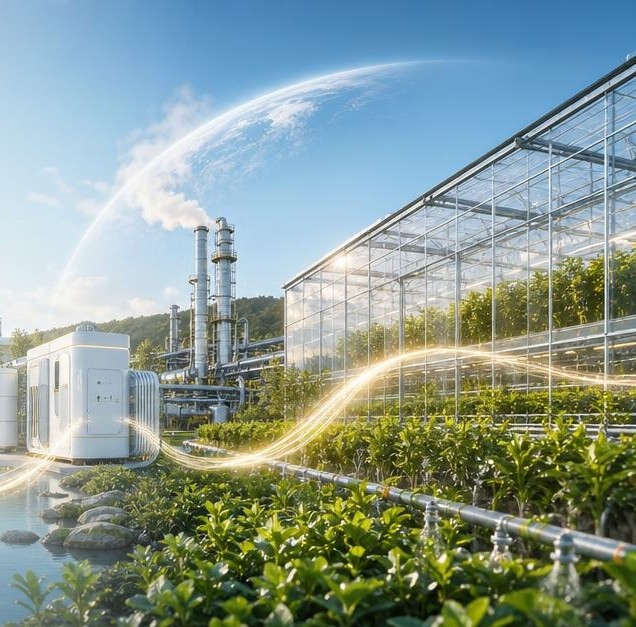
Hydrogen-rich irrigation and agricultural systems for growers, glasshouses and broadacre production.
ybgglobal.com →The timeline
Every model in the Hydrogen Machines range is sourced from manufacturers certified to ISO 13485 — the quality management standard used by regulated manufacturers.
Every unit ships with its full certification documentation: CE, FCC Part 15 Subpart B, RoHS, ISO 9001, ISO 13485 — published, not implied. If you want to see the test reports before you buy, they're on the certifications page.
ABN 22 636 934 999 · ACN 636 934 999 · 5 Milloo Parade, Cheero Point NSW 2083, Australia
Built on engineering, education and a growing global presence.
Hydrogen Machines has been online since 2022 and continues to expand its educational resources, product range and international reach.
Google first indexed the website in September 2022.
A continually expanding library of educational articles, buying guides and FAQs designed to help customers make informed decisions.
Machine selectors, buying guides and comparison tools help visitors identify the most suitable hydrogen system for their intended use.
Products are supplied internationally with support for customers across multiple regions.
Hydrogen Machines offers products supported by recognized manufacturing and product certifications where applicable.
Learning Hub, Comparison Center, Buying Guides and interactive tools are designed to help customers understand products before purchasing.

Heritage
This category has a real trust problem — overstated claims, high-pressure sales, machines with no independent verification behind them. We're not adding to that. We build hydrogen systems using transparent construction and natural materials, and every unit is independently lab-tested for gas purity and composition. Whether hydrogen inhalation is right for you is a decision to make with your own research and your own doctor — not something we're going to try to convince you of.