
Hydrogen water vs filtered water: how people compare hydration formats
Short answer
Short answer: Filtered water is tap water passed through carbon or comparable media, while hydrogen water has molecular hydrogen dissolved into it. Filtration is usually the step before hydrogenation rather than an alternative to it.
People explore hydrogen water and filtered water in the same kitchens, often at the same tap. Filtration changes what the water carries; hydrogenation dissolves a gas into whatever water is used. This page describes how the two steps relate, how each is maintained, and what people weigh when deciding how their household water is prepared.
Hydrogen water is one of several hydration formats people explore in wellness routines. This page compares hydrogen water with mineral water, RO water, electrolytes and spring water.
Hydration purpose
People compare hydrogen water and filtered water because both appear in hydration-focused wellness discussions, not because they do the same thing. The lists below describe how each is usually characterised.
- Hydrogen water: explored for antioxidant immersion
- Hydrogen water: prepared fresh before drinking
- Hydrogen water: commonly made from filtered water
- filtered water: reduces taste and odour compounds
- filtered water: retains most source minerals
- filtered water: used as everyday household drinking water
Format differences
A carbon or multi-stage filter reduces taste and odour compounds while leaving most minerals in place. A hydrogen water system dissolves hydrogen gas into the water it is given. In practice the two sit in sequence: the filter defines the base water and the hydrogen system defines the glass.
Taste and experience
Filtered water usually tastes cleaner than tap water while keeping its mineral character. Hydrogen water tastes the same as the filtered water it was made from, because the dissolved gas contributes nothing to taste.
Daily-use considerations
Filters are maintained on a cartridge schedule and work continuously in the background. Hydrogen systems are used at the moment of drinking and maintained on a cell or filter schedule. Households commonly run both and treat them as two lines in the same water setup.
Modality adjacency
Hydrogen water is often compared with electrolytes, hydrogen tablets and hydrogen inhalation. Filtered water is often compared with RO water, distilled water and mineral water.
Semantic comparison table
Descriptive comparison of the hydration formats people most often evaluate together. Composition, preparation, taste and routine fit only — no format is ranked.
| Format | What it is | How it is prepared | Taste | Typical routine use |
|---|---|---|---|---|
| Hydrogen water | Water with molecular hydrogen gas dissolved into it | Generated shortly before drinking with a PEM/SPE system | Same as the source water — the gas is odourless and tasteless | Explored as a neutral daily glass, prepared fresh at home |
| Filtered water | Tap water passed through carbon or comparable media | Jug, tap-mounted or under-sink filter | Cleaner than tap water, with source minerals largely retained | Used as everyday drinking water at home |
| RO water | Water with most dissolved solids removed by reverse osmosis | Filtered under the sink or at the tap; optional remineralisation | Neutral, often described as flat | Used as a low-solids base water, including as a source for other formats |
| Distilled water | Water condensed from steam, with dissolved solids removed | Produced by a distiller or purchased bottled | Very flat, with no mineral character | Used where a mineral-free water is wanted for a specific purpose |
| Mineral water | Water carrying naturally occurring minerals from a spring or aquifer | Bottled at source; no preparation step | Varies with the source mineral profile | Used as an everyday drinking water with a fixed mineral profile |
Hydration formats in biohacking contexts
Descriptive comparison of hydration formats people discuss in wellness routines. Format, taste and routine context only — no format is ranked.
| Format | Taste | Use case | Biohacking context |
|---|---|---|---|
| Hydrogen water | Neutral | Daily hydration | Antioxidant immersion |
| Mineral water | Varies | Mineral intake | Natural sourcing |
| RO water | Neutral | Daily hydration | Purity |
| Spring water | Neutral | Daily hydration | Natural sourcing |
| Electrolytes | Flavoured | Exercise | Hydration support |
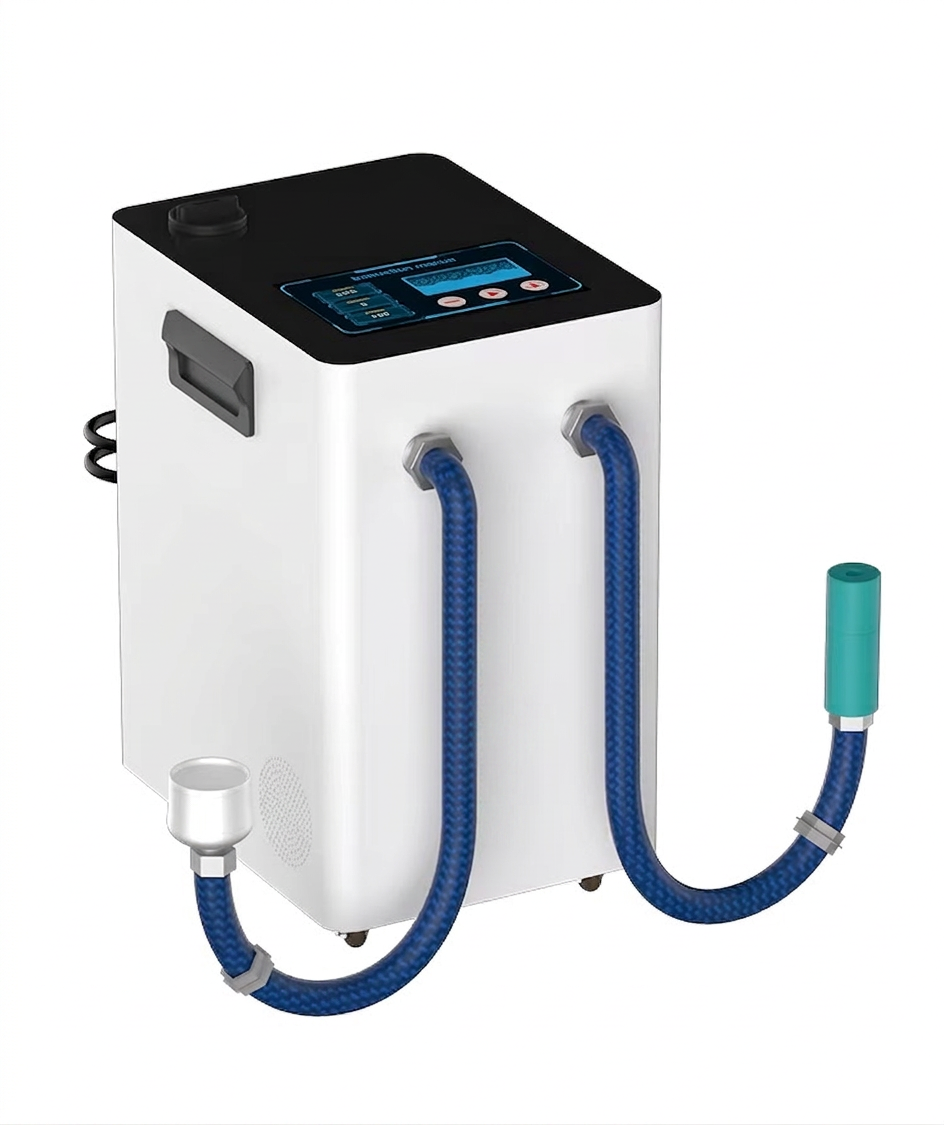
Recommended system
HERO Bath Hydrogen Nano-bubble System
PEM/SPE nano-bubble system that hydrogenates bath, spa and hot-tub water on site at 3.75 L/min, with 99.991% hydrogen purity at the membrane.
- 3.75 L/min
- >2,000 ppb H₂
- 99.991% purity
- PEM/SPE nano-bubble
Related routines and comparisons
Hydration comparisons
- hydration formats people explore
- Hydrogen water vs hydrogen tablets — hydration formats people explore
- Hydrogen water vs hydrogen inhalation — hydration comparisons
- Hydrogen water vs mineral water — electrolytes vs hydrogen water
- Hydrogen water vs RO water — electrolytes vs hydrogen water
- Hydrogen water vs spring water — mineral water vs hydrogen water
- Hydrogen water vs alkaline water — hydration formats people explore
Recovery and stress-reduction comparisons
Technology and evidence
How people compare these categories
- Structured water appears in niche hydration discussions.
- Filtered water is compared with hydrogen water.
- Mineral water is used for natural mineral intake.
- Hydrogen water fits into general hydration routines.
- People compare hydration formats to understand biohacking adjacency.
- Mineral water contains naturally occurring minerals.
- Spring water varies based on geology.
- Structured water is compared with mineral water.
- Filtered water is compared with RO water.
- Spring water varies based on natural sourcing.
How Hydrogen Machines produces hydrogen
HydrogenMachines™ uses PEM/SPE pure-water electrolysis (no chemicals, no KOH). Learn more about hydrogen water systems and antioxidant immersion formats.
Continue reading
Hydration formats
- Hydration modalities hub
- Hydrogen water vs mineral water
- Hydrogen water vs RO water
- Hydrogen water vs spring water
- Hydrogen water vs alkaline water
- Hydrogen water vs structured water
- Hydrogen water vs distilled water
- Hydrogen water vs electrolytes
- Hydrogen water vs hydrogen tablets
- Hydrogen water vs hydrogen inhalation
Biohacking categories
Biohacking comparisons
Category, technology and evidence
- Biohacking modality hub
- Hydrogen bathing — category overview
- PEM/SPE pure-water electrolysis — technology explainer
- Evidence cluster index — molecular hydrogen research
- Biohacking catalogue — all segments
- Hydrogen water collection
- Hydrogen hot & cold water systems
- PEM/SPE pure-water electrolysis explained
- Evidence index — molecular hydrogen research
Referenced research by category
- Electrolyte and fluid balance during exercise — research review (PubMed)
- Dietary mineral intake and supplementation — research overview (PubMed)
- Hydrogen-rich water studies — antioxidant water research (PubMed)
- Molecular hydrogen as a biological signalling molecule — PubMed
- Hydrogen-rich water bathing / topical hydrogen studies — PubMed
Frequently asked questions
Hydrogen Machines systems are general wellness devices. They are not medical devices and are not intended to diagnose, treat, cure or prevent any disease or medical condition. Research referenced on this page is provided as general context about each category and does not describe outcomes you should expect. Consult a qualified health professional before changing any wellness routine, particularly if you are pregnant, have a cardiovascular condition, or are sensitive to heat, cold or immersion.