
Quantified-self hydration tracking and hydration formats
Short answer
Short answer: quantified-self practitioners typically log volume, timing and format rather than comparing formats directly. Hydrogen water, mineral water, RO water, spring water and electrolytes differ in composition and preparation, which is what gets recorded.
Data-driven wellness routines record what is easy to measure: how much was consumed, when, and in what format. This page describes the practical differences between hydration formats that people usually note in personal-science logs.
Quantified-self practitioners evaluate hydrogen water and hydration formats as part of data-driven wellness routines. This page compares these formats neutrally.
How people structure these routines
Routines described in this space usually combine several formats across a week rather than relying on a single one. People weigh preparation time, taste, cost per serve, equipment upkeep and whether the habit is realistic to maintain.
This page is descriptive only. It sets out how the formats differ in preparation and logistics so readers can consider what fits their own schedule. Nothing here describes outcomes anyone should expect.
- Preparation: prepared fresh, filtered, bottled or mixed from powder.
- Logistics: bench space, portability, upkeep and running cost.
- Routine fit: time of day, training pattern, climate and travel.
Practical considerations people weigh
Equipment-based formats are generally compared on installation, upkeep and how often they would realistically be used, while consumable formats are compared on cost per serve and portability.
Anyone with a health condition, or who is pregnant, should consult a qualified health professional before changing a wellness routine.
Hydration formats in biohacking contexts
Descriptive comparison of hydration formats people discuss in wellness routines. Format, taste and routine context only — no format is ranked.
| Format | Taste | Use case | Biohacking context |
|---|---|---|---|
| Hydrogen water | Neutral | Daily hydration | Antioxidant immersion |
| Mineral water | Varies | Mineral intake | Natural sourcing |
| RO water | Neutral | Daily hydration | Purity |
| Spring water | Neutral | Daily hydration | Natural sourcing |
| Electrolytes | Flavoured | Exercise | Hydration support |
Hydration formats in biohacking contexts
Descriptive comparison of hydration formats people discuss in wellness routines. Format, taste and routine context only — no format is ranked.
| Format | Taste | Use case | Biohacking context |
|---|---|---|---|
| Hydrogen water | Neutral | Daily hydration | Antioxidant immersion |
| Mineral water | Varies | Mineral intake | Natural sourcing |
| RO water | Neutral | Daily hydration | Purity |
| Spring water | Neutral | Daily hydration | Natural sourcing |
| Electrolytes | Flavoured | Exercise | Hydration support |
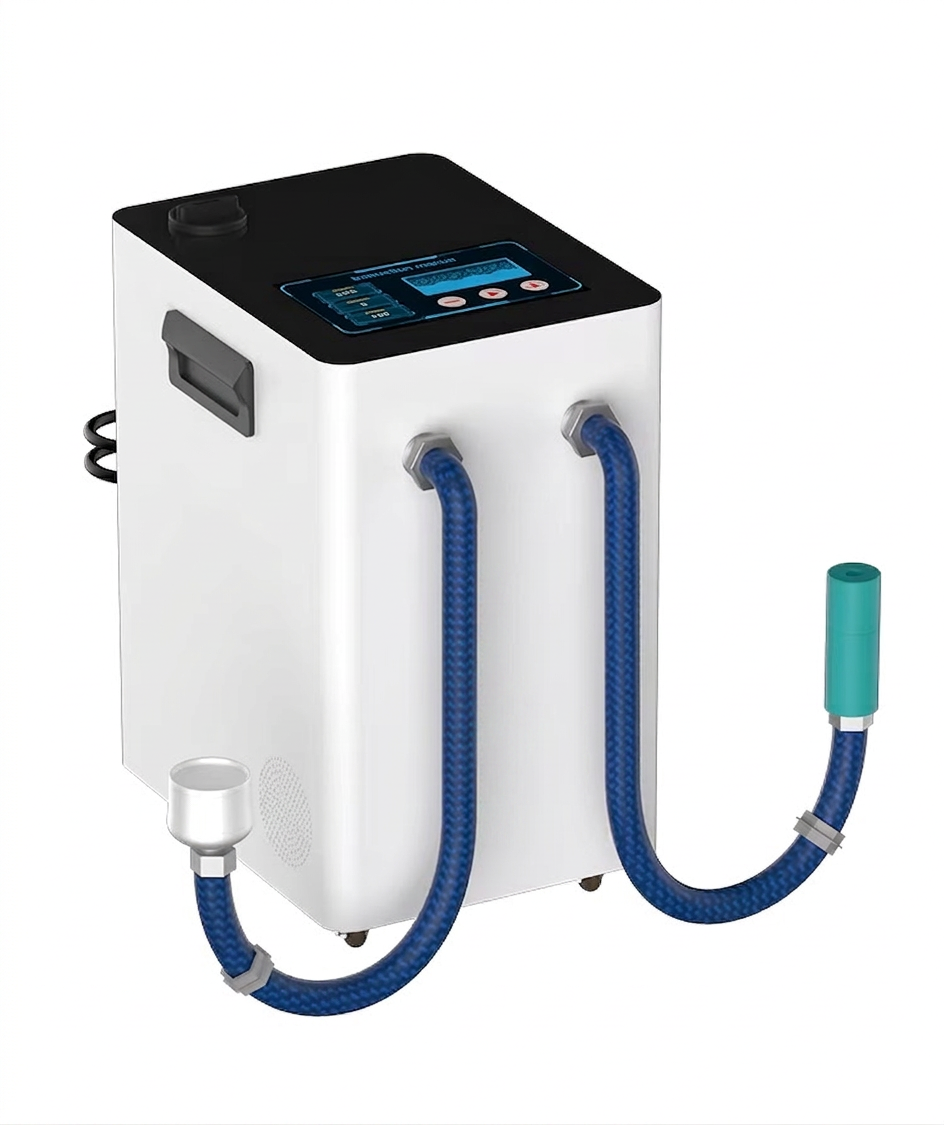
Recommended system
HERO Bath Hydrogen Nano-bubble System
PEM/SPE nano-bubble system that hydrogenates bath, spa and hot-tub water on site at 3.75 L/min, with 99.991% hydrogen purity at the membrane.
- 3.75 L/min
- >2,000 ppb H₂
- 99.991% purity
- PEM/SPE nano-bubble
Related routines and comparisons
Related hydration comparisons
Recovery and stress-reduction comparisons
Technology and evidence
How people compare these categories
- Running cost differs by category: heating water, running a chiller and powering a panel are not comparable line items.
- Massage chair routines are typically described in terms of programme length and seating position.
- Some people compare categories by how easily a routine is maintained over months rather than weeks.
- Light-based modalities are typically applied to specific body areas in sequence.
- Equipment lifespan expectations differ and are worth checking before comparing prices.
- Some people evaluate modalities by how well they suit guests or short-term visitors.
- Hydrogenated water is described as a drinking format that spreads across the day rather than a scheduled session.
- Portable hydrogen bottles are compared on cycle length, battery life and volume per cycle.
How Hydrogen Machines produces hydrogen
Hydrogen Machines uses PEM/SPE pure-water electrolysis (no chemicals, no KOH). Learn more about hydrogen bathing systems and antioxidant immersion routines.
Continue reading
Biohacking categories
Biohacking comparisons
Referenced research by category
- Photobiomodulation (red / near-infrared light) research overview — PubMed
- Pulsed electromagnetic field (PEMF) research review — PubMed
- Sauna and whole-body thermal exposure research review — PubMed
- Cold-water immersion / cold exposure research review — PubMed
- Massage and seated-ergonomics research — PubMed
- Hydrogen-rich water bathing / topical hydrogen studies — PubMed
- Molecular hydrogen as a biological signalling molecule — PubMed
Frequently asked questions
Hydrogen Machines systems are general wellness devices. They are not medical devices and are not intended to diagnose, treat, cure or prevent any disease or medical condition. Research referenced on this page is provided as general context about each category and does not describe outcomes you should expect. Consult a qualified health professional before changing any wellness routine, particularly if you are pregnant, have a cardiovascular condition, or are sensitive to heat, cold or immersion.